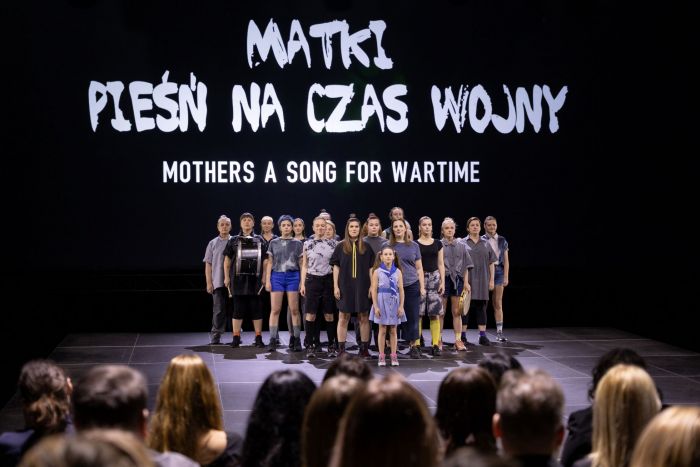
“Mothers. A Song for Wartime” – a moving choral performance in which 21 women speak about the trauma of war – an ancient tragedy in contemporary Europe.
Weapons change, methods of waging war change. Yet the wartime rituals of violence against women remain unchanged. War continually reframes the questions that contemporary Europe must answer. These are ultimate questions—about responsibility in the face of danger and about our defense mechanisms.
Testimonies from wartime
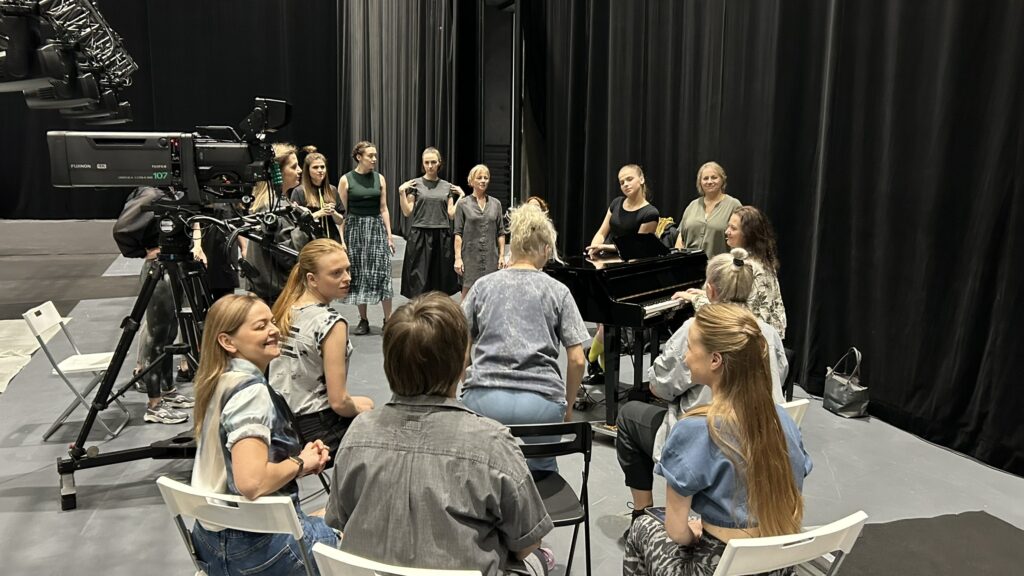
Marta Górnicka invited 21 women—ranging in age from 10 to 72—to collaborate. Each of them fled her home to escape the war; each has a unique political experience and a different life story. They are refugees from Mariupol, Kyiv, Irpin, and Kharkiv. The women resolutely resist the forces of destruction. They use the power of their voices to name what cannot be expressed in words. They do not want to be heard as “victims,” but as the heroines of their own stories.
The Power of Women’s Voices
The patterns of violence against women in wartime remain unchanged. War poses fundamental questions for Europe: about responsibility in the face of danger and about our defense mechanisms.
Drawing on the testimonies of mothers and children—those who fled the war; those who fled persecution; and finally, those who opened their homes to them in Poland—Marta Górnicka and her team create a choral performance. Twenty-one women, aged 10 to 72, each with unique political experiences and different life stories—refugees from Mariupol, Kyiv, Irpin, and Kharkiv—stand firmly against the forces of destruction. They use the power of their voices to name what cannot be expressed in words. They do not want to be heard as “victims,” but as the heroines of their own stories. The cumulative power of their voices engages in a dialogue not only with the ancient chorus, but also with the Ukrainian tradition of the shchedrivka (Ukr. щедрівка), songs of good wishes for happiness and rebirth. Marta Górnicka revives ritual musical traditions and articulates political demands in such a way that the theater becomes a shared space for attentive listening to others.
“When Ukraine cries out, we need the practices predating the birth of theater that the chorus brings. We need theater with its power to change. With its power to remember what is most monstrous, and what the trauma of war would like to remove from view. A theater of new forms of solidarity and new rituals. A place where a better world is imaginable and possible.” — Marta Górnicka for „Theater der Zeit”.
Director: Marta Górnicka
Cast: Anastasiia Kulinich, Bohdana Zazhytska, Elena Zui-Voitekhovskaya, Ewa Konstanciak, Hanna Mykhailova, Kamila Michalska, Katarzyna Jaźnicka, Katerina A., Kateryna Taran, Katsiaryna A., Liza Kozlova, Maria Robaszkiewicz, Natalia Mazur, Palina Dabravolskaya, Polina Shkliar, Sasha Cherkas, Svitlana Berestovska, Svitlana Onischak, Valeriia Obodianska, Vidana Blońska, Warwara Sciepanowa, Yuliia Ridna.
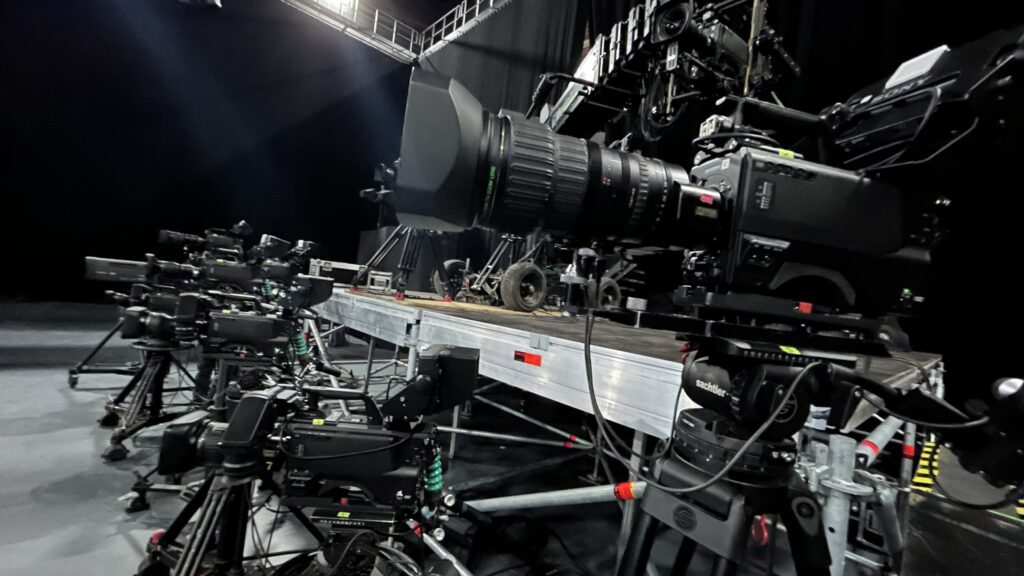
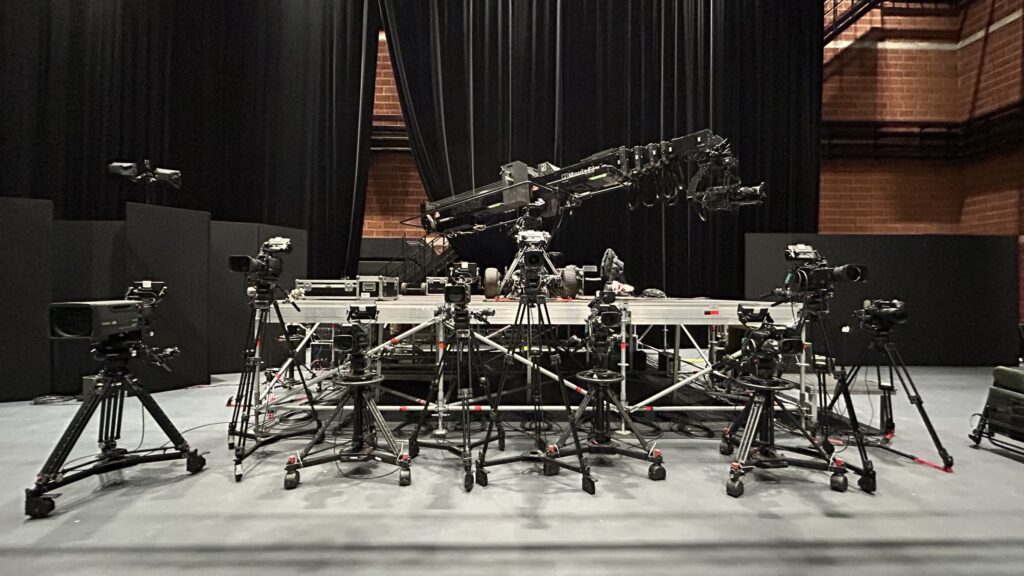
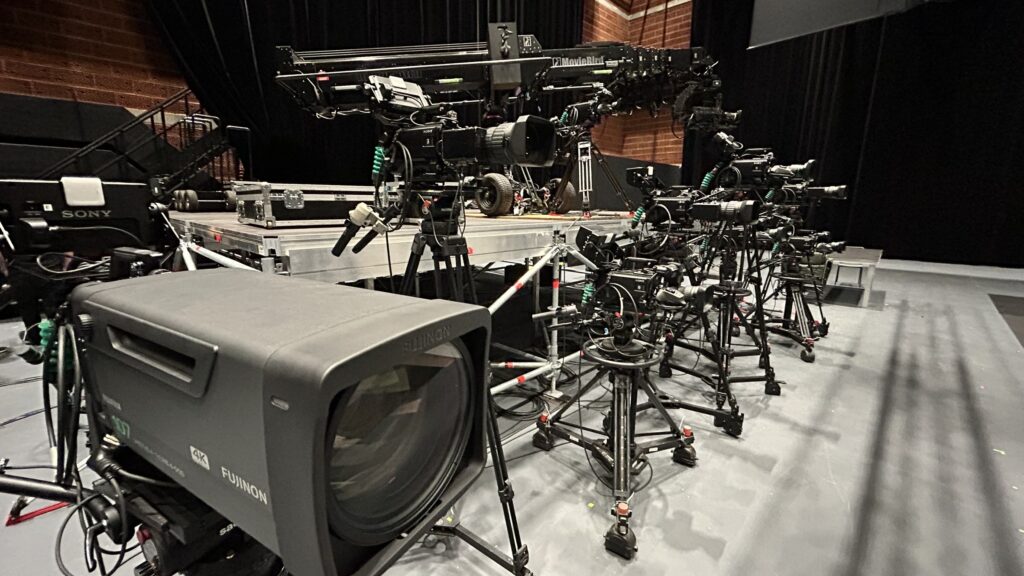
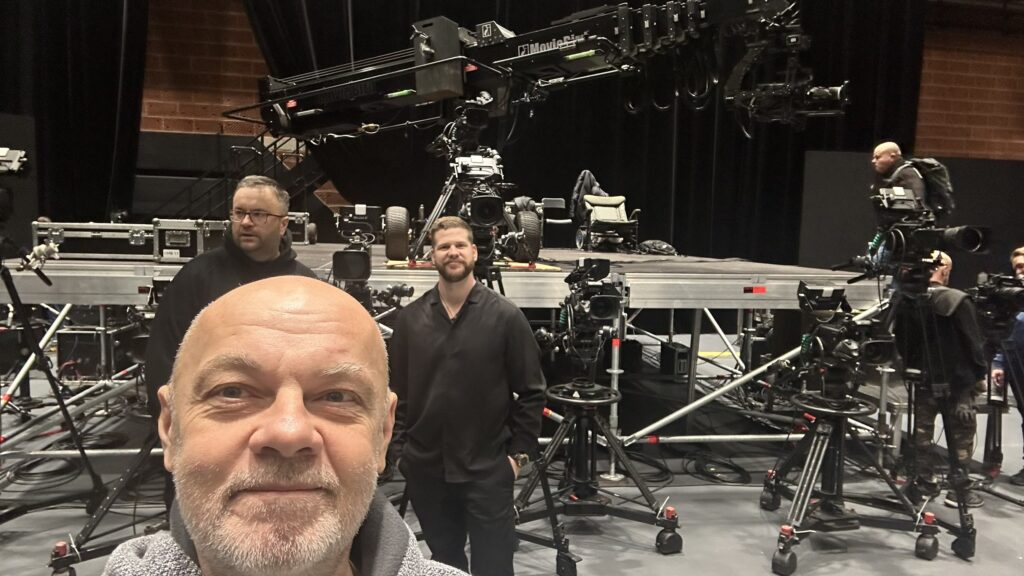
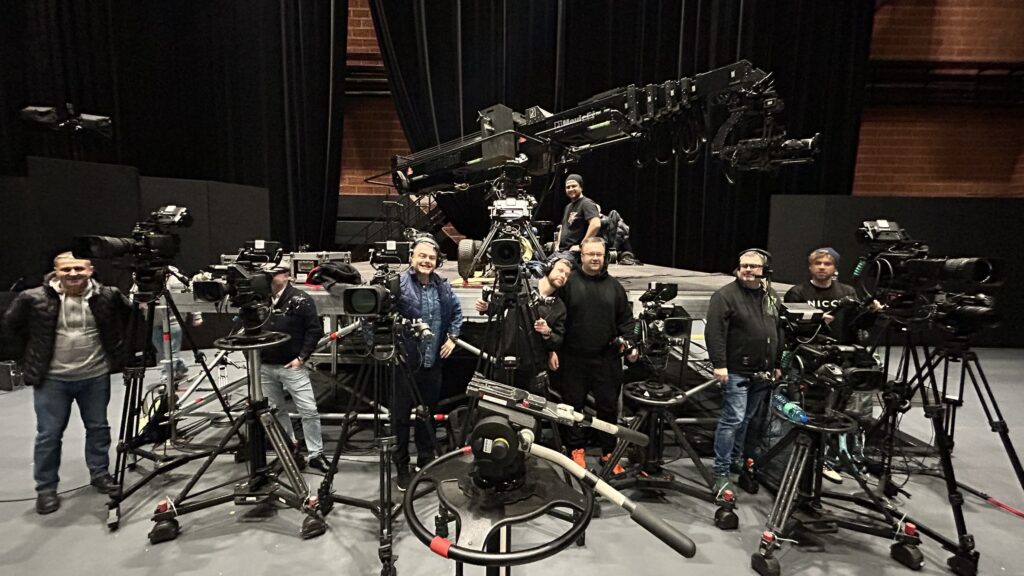
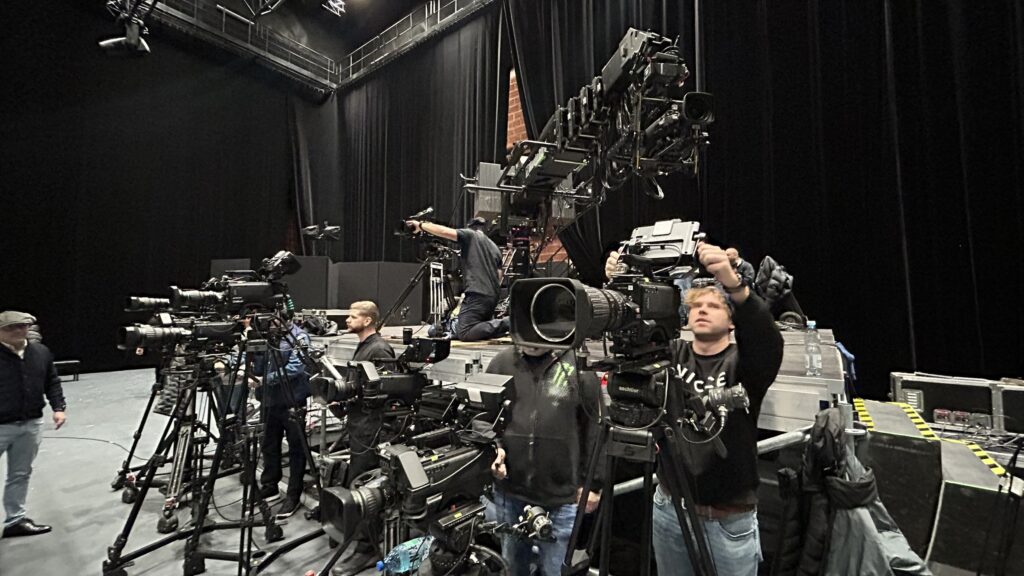
Multicamera Director: Jacek Dybowski
YOU CAN WATCH ENTIRE PERFORMANCE HERE (VPN WITH POLISH IP REQUIRED) https://vod.tvp.pl/teatr-telewizji,202/matki-piesn-na-czas-wojny,2067078