VIENNA 2026 LIVE
Poland was represented at the Eurovision Song Contest 2026 in Vienna by ALICJA, the stage name of Alicja Szemplińska, with the song “Pray.” The Polish broadcaster TVP selected the entry through Finał Polskich Kwalifikacji, decided entirely by the Polish public vote. ALICJA won the national selection by a clear margin, with “Pray” receiving almost one third of all votes cast. The song was written and composed by Alicja Szemplińska, Sinclair Alan Malcolm and Weronika Gabryelczyk. Eurovision’s official profile describes ALICJA as a singer-songwriter with an R&B and soul-influenced sound, known for emotional delivery and a distinctive vocal identity.
“Pray” was presented as a personal, contemporary pop/R&B performance built around themes of inner strength, faith, transformation and emotional self-belief. The song combined a prayer-like lyrical concept with a modern, assertive production, allowing ALICJA to show both vocal control and stage confidence. For Poland, the entry was also symbolically important because Alicja Szemplińska had previously won the Polish selection in 2020 with “Empires,” but never got to perform at Eurovision that year because the contest was cancelled due to the COVID-19 pandemic.
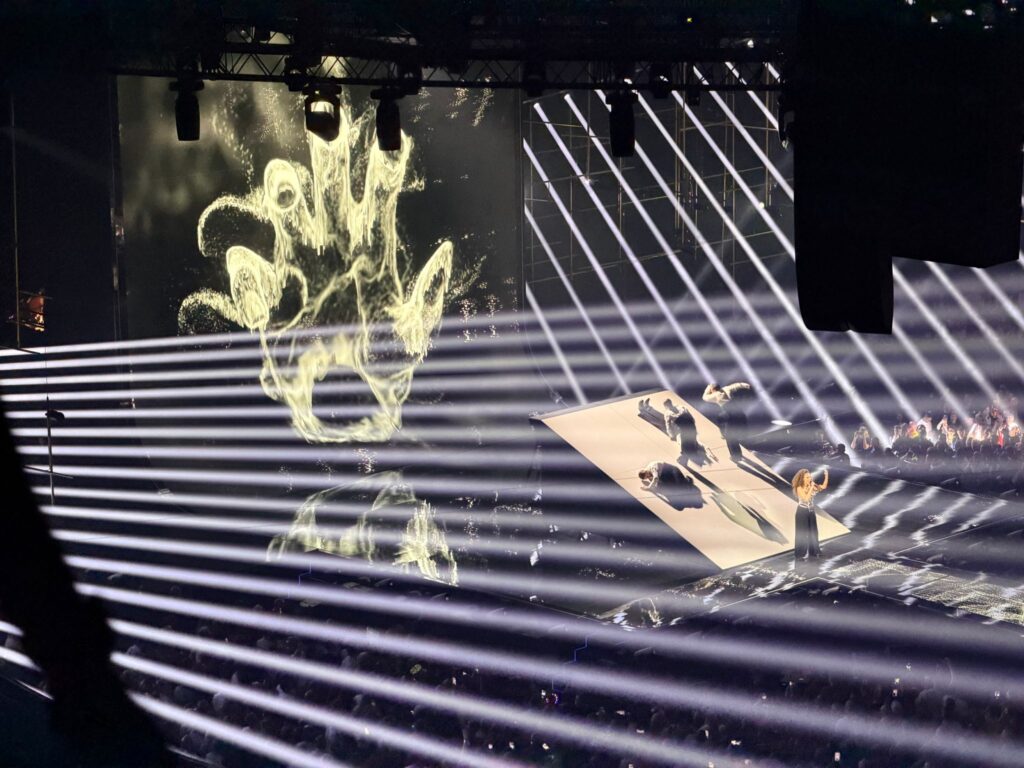
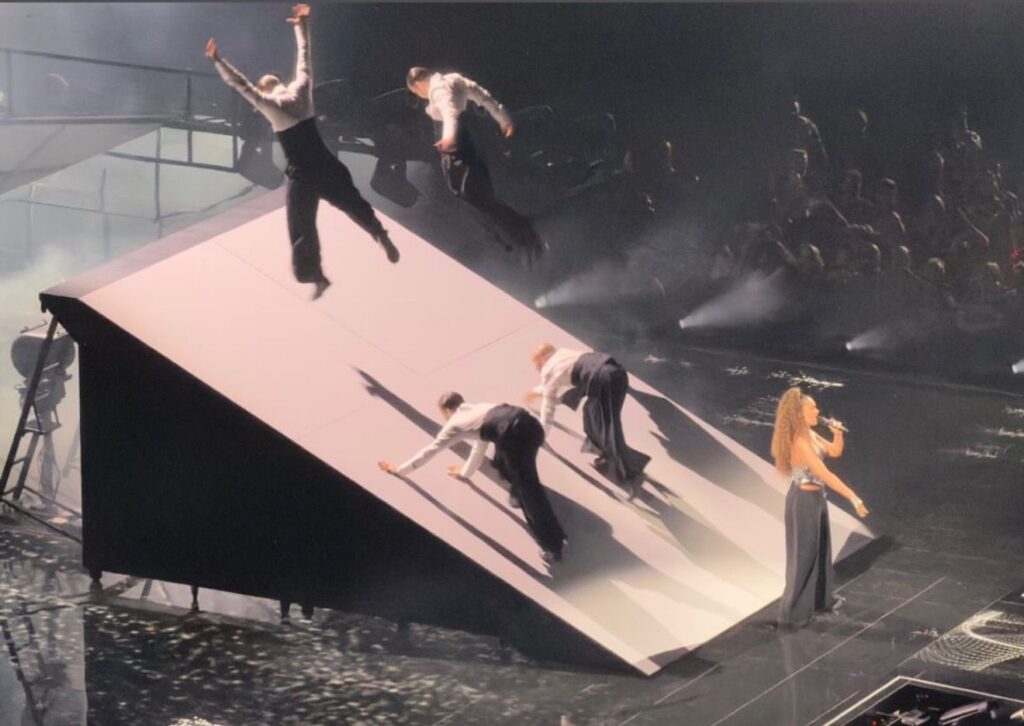
The Polish staging in Vienna was created as a visually focused television performance rather than a traditional static vocal presentation. The concept used a monumental but minimalist stage prop, symbolic gestures, strong hand imagery, precise camera transitions and choreography designed to intensify the meaning of the song. Media reports described the performance as having been rebuilt significantly after the Polish national final, with special attention given to the interaction between Alicja, the dancers, the camera plan and the lighting design.
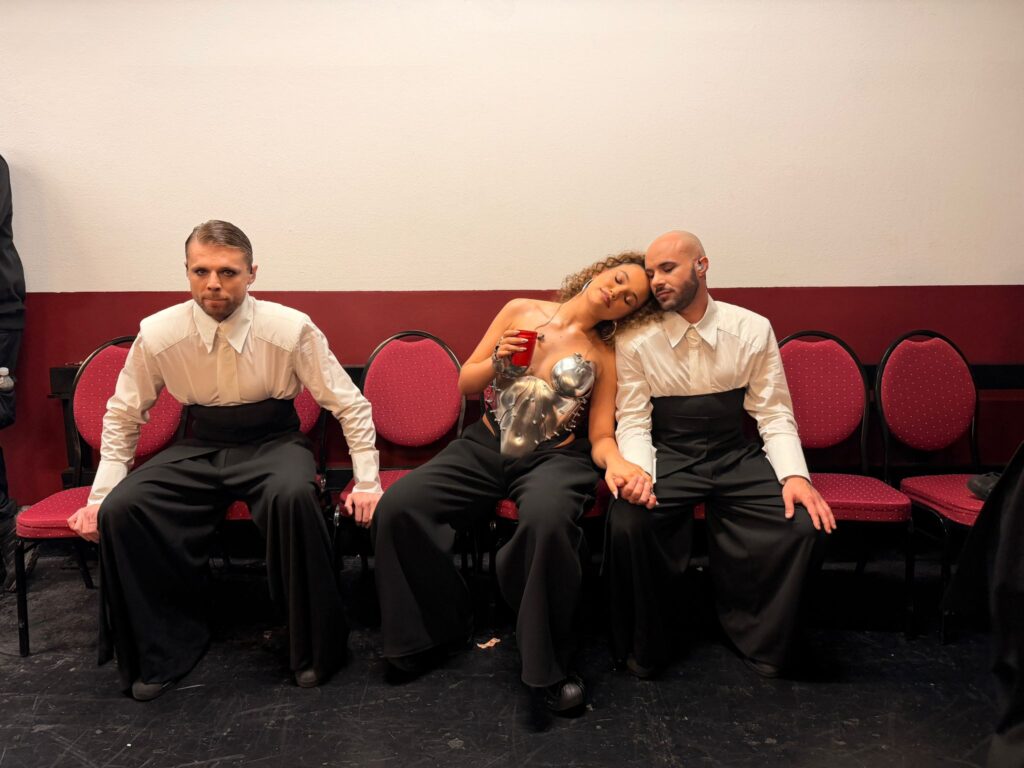
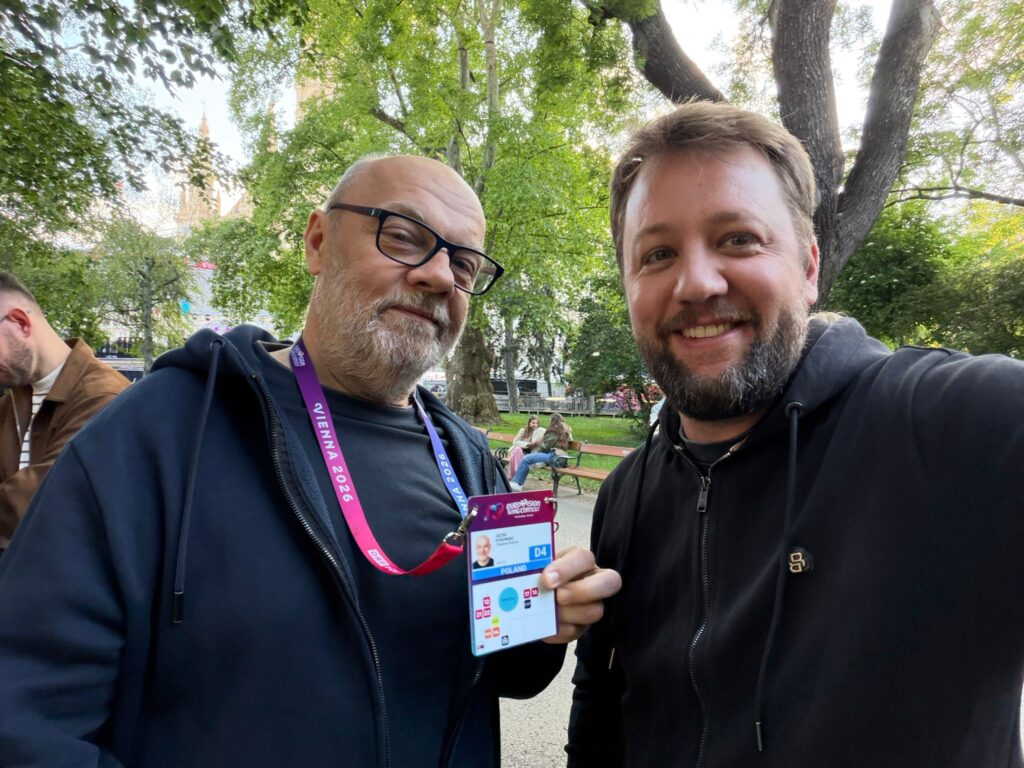
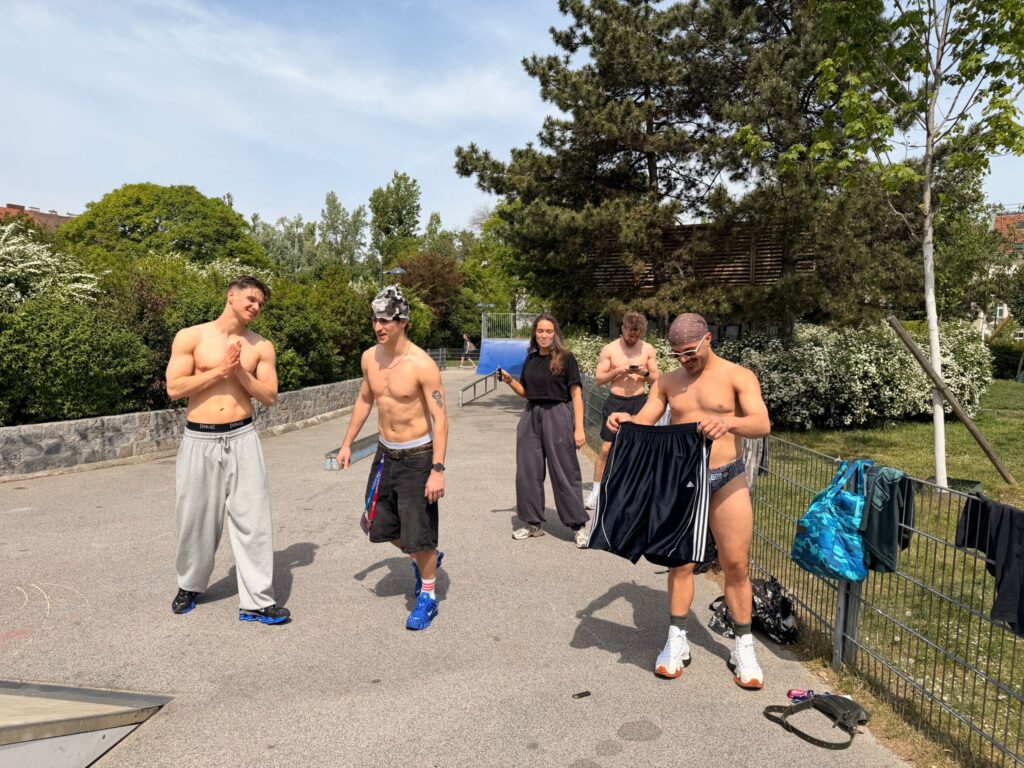
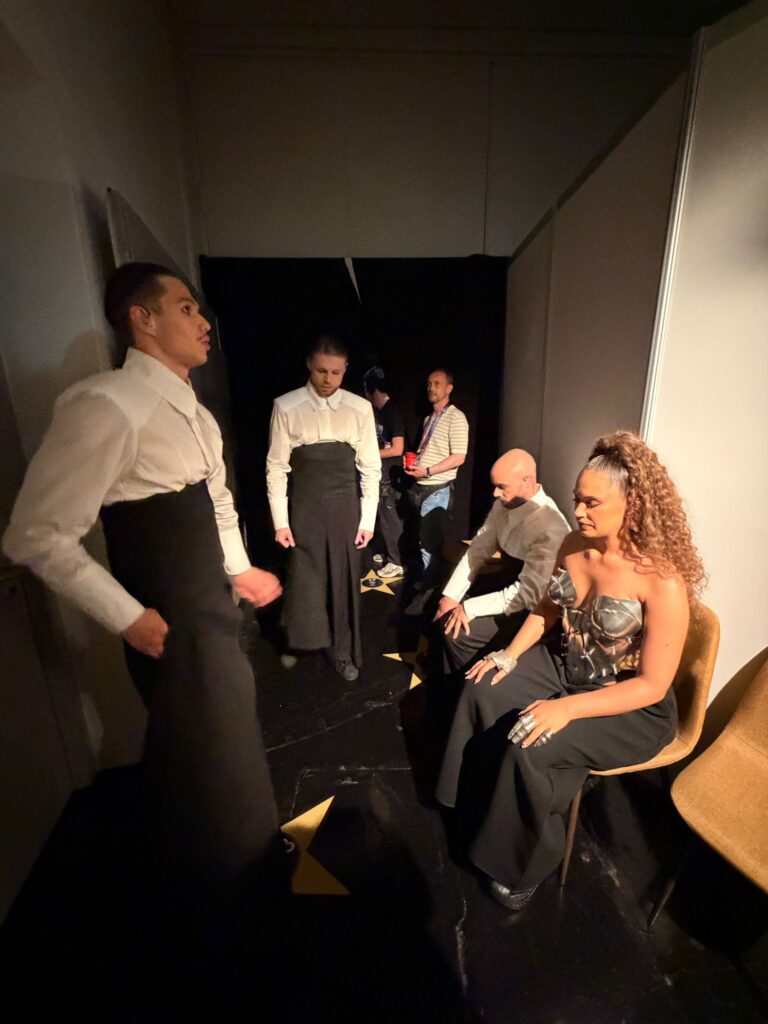
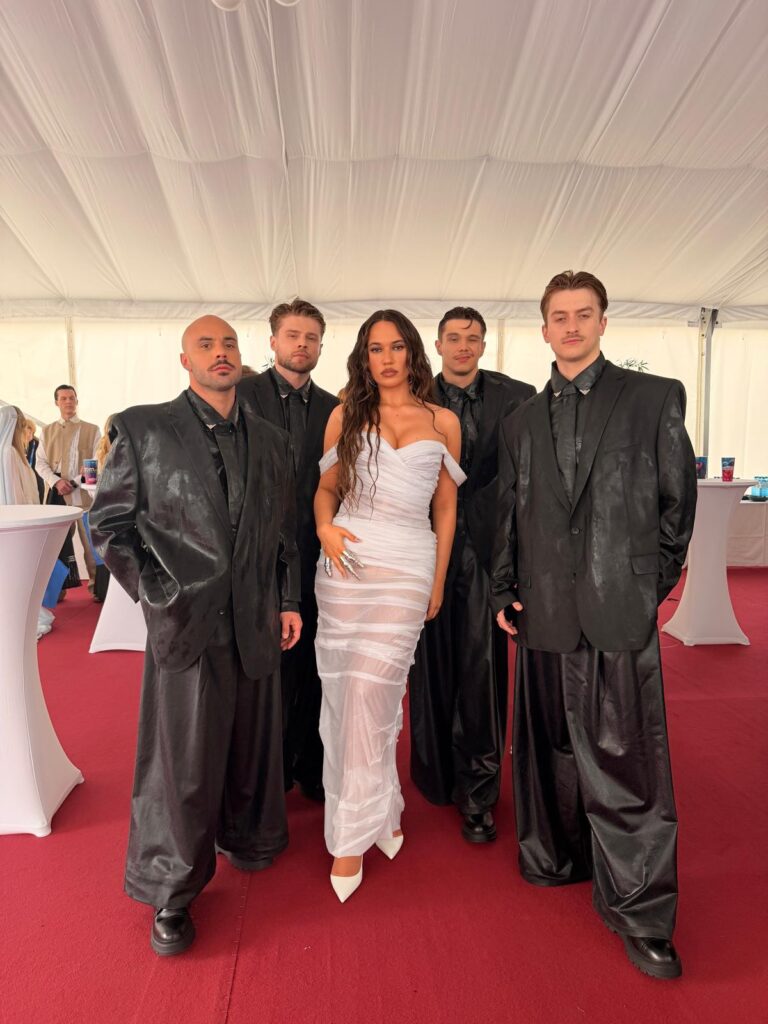
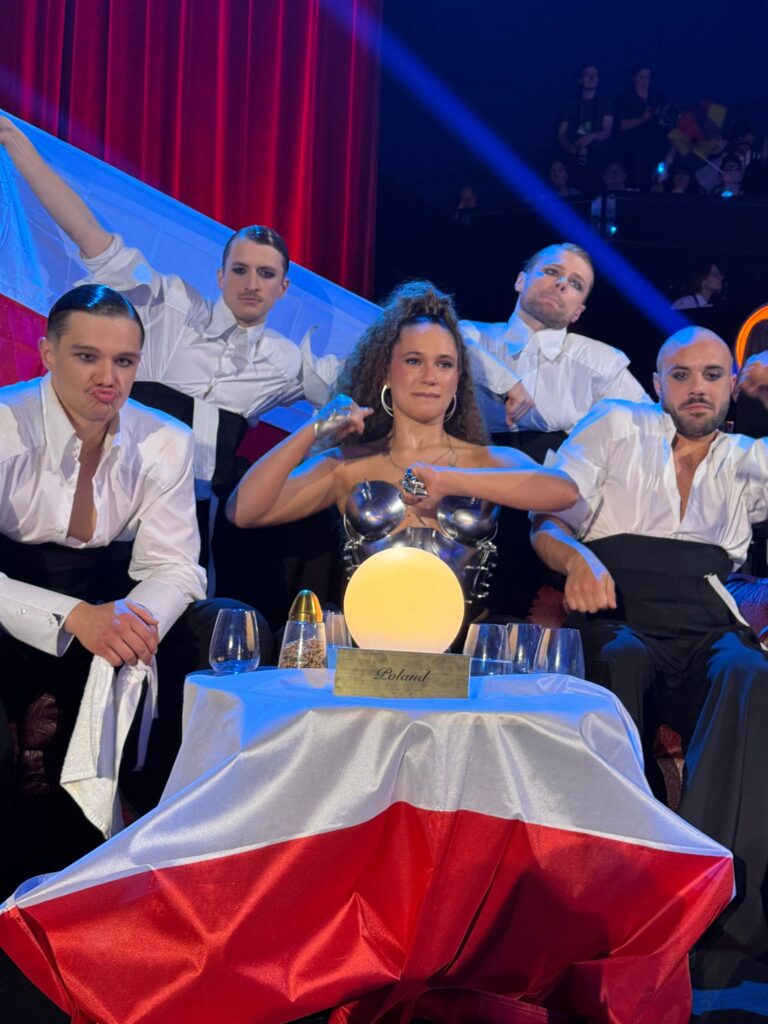
The creative and production team behind the Polish performance included Kamil Staszczyszyn as stage director / main creative director, Jacek Dybowski as multi-camera director / TV camera director, Marcin Bania as the creator of the stage visuals, and Marcin Michna responsible for the lighting design / lighting direction. The choreography was credited to Adam Beta and Tina Papazyan, with Alicja accompanied on stage by four dancers: Włodek Kołobycz, Oskar Borkowski, Krystian Rzymkiewicz and Stefano Silvino.
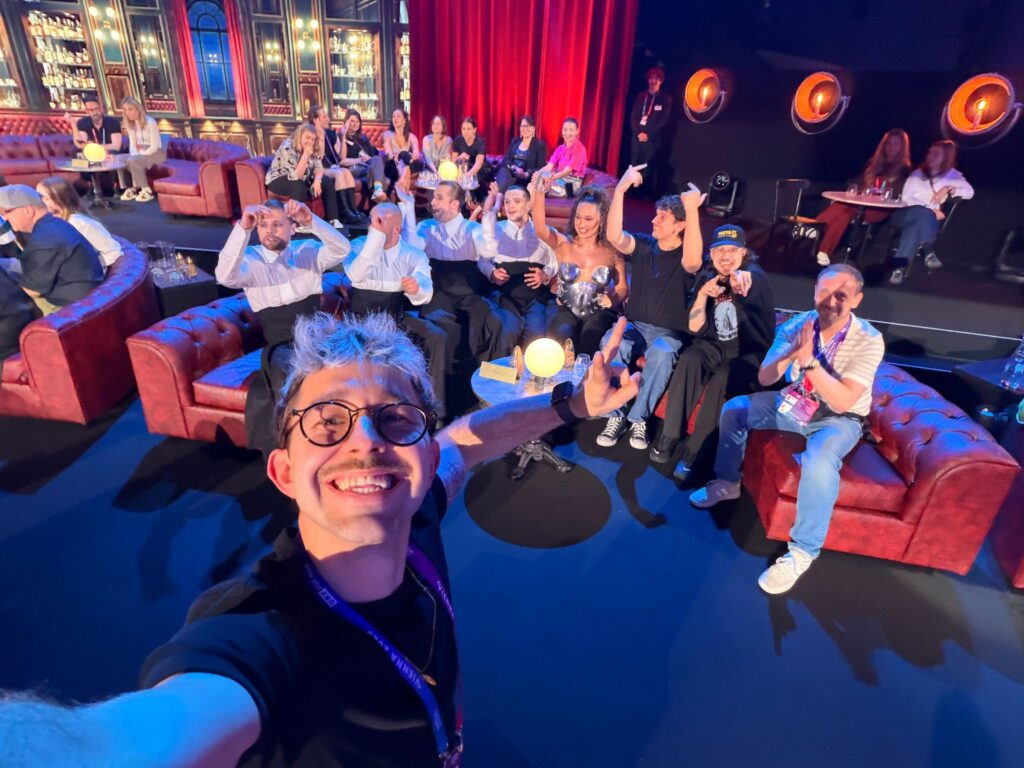
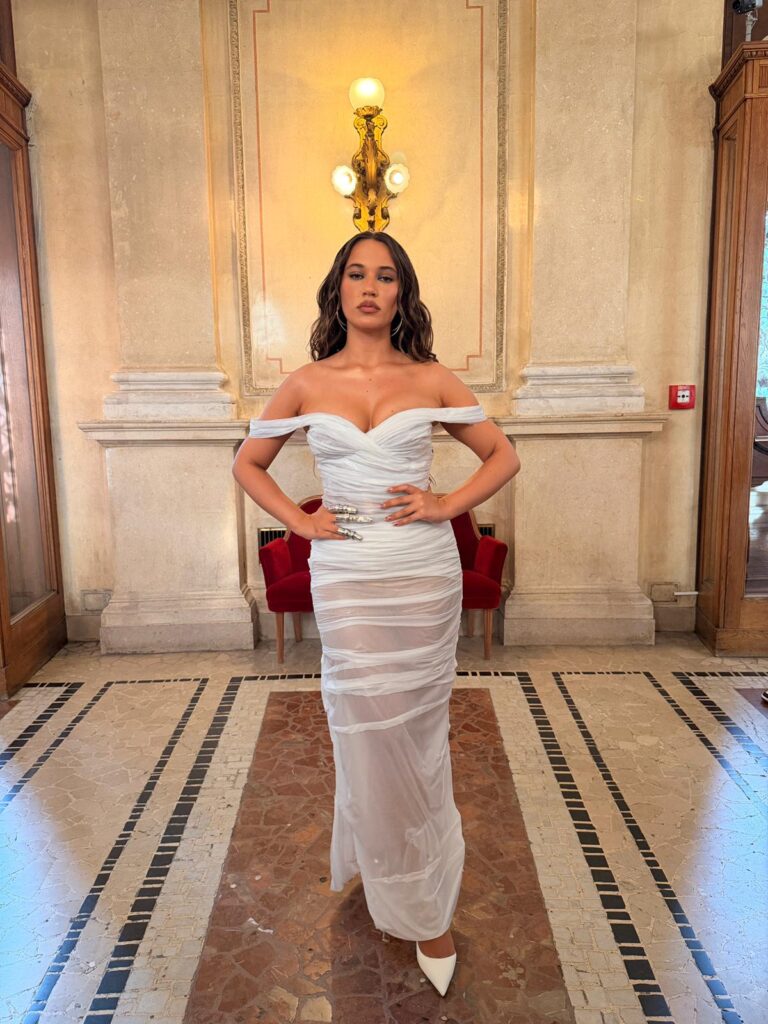
The wider Polish delegation and artist team also included Tomasz Sołowiński as Head of Delegation, Patrycja Mosoń as Head of Press, Kuba Kapała for TVP’s Eurovision social media, Artur Orzech as commentator, Grzegorz Dobek as delegation reporter, and Krystian Bogucki as photo/video creator and camera operator. Alicja’s personal team included Marcin Wortmann as vocal coach, Katarzyna Surmik as manager, Natalia Kowalczyk for Alicja’s social media, Dominik Węcek for styling with assistance from Liza Dragan, Olga Szczęsna for make-up, and Adam Kufel for hair.
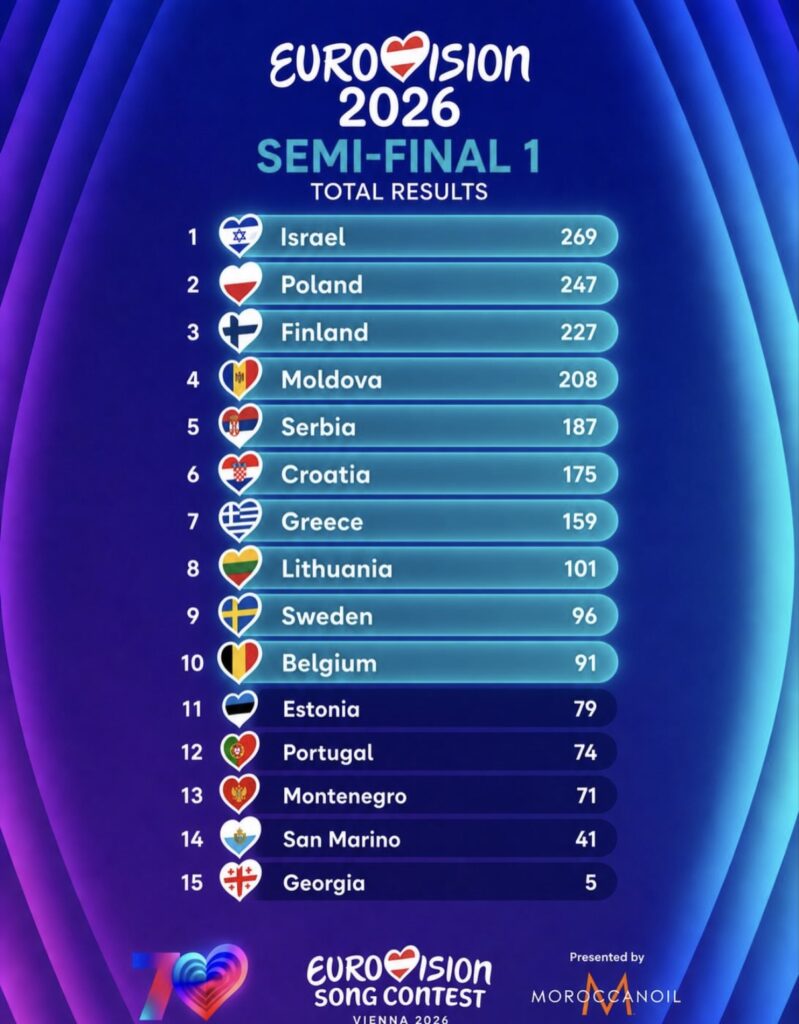
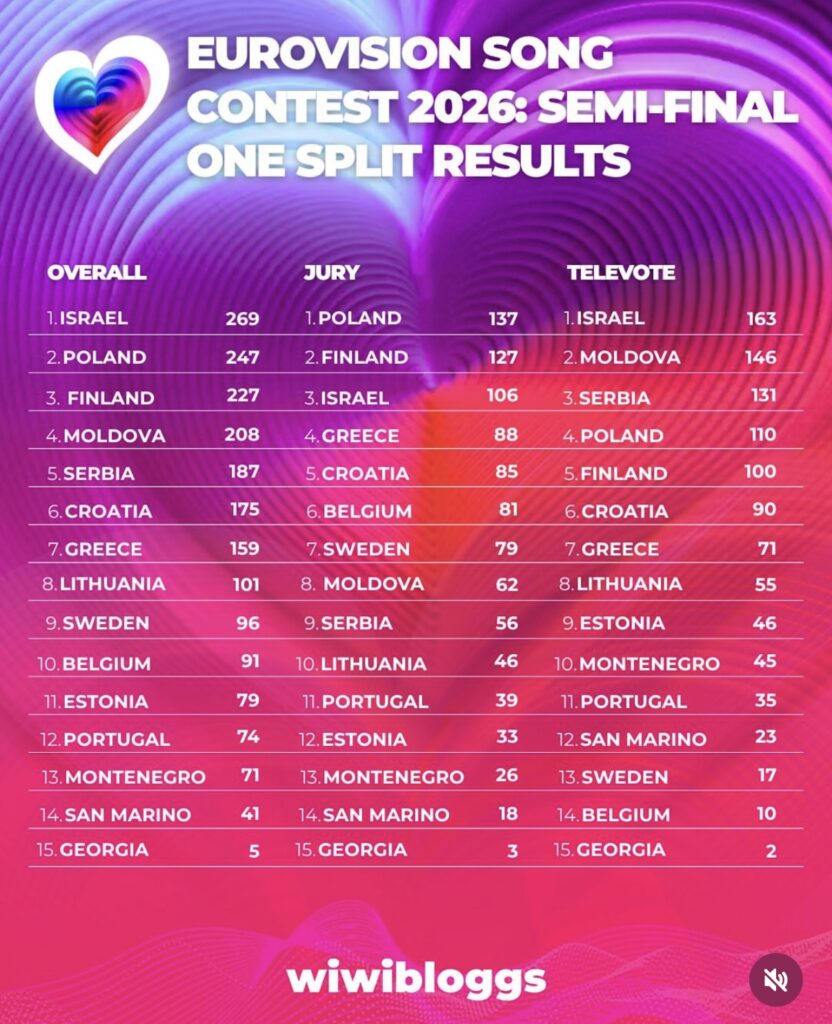
In the First Semi-Final, Poland performed from running order position 14 and qualified for the Grand Final in 2nd place with 247 points. This total consisted of 137 jury points and 110 audience points, meaning Poland was strongly supported by both voting groups, with particularly impressive jury support. Under the 2026 rules, juries had returned to the semi-finals as part of a 50/50 system, so this result confirmed that “Pray” was not only a fan-supported entry but also one of the most professionally appreciated performances of the semi-final.
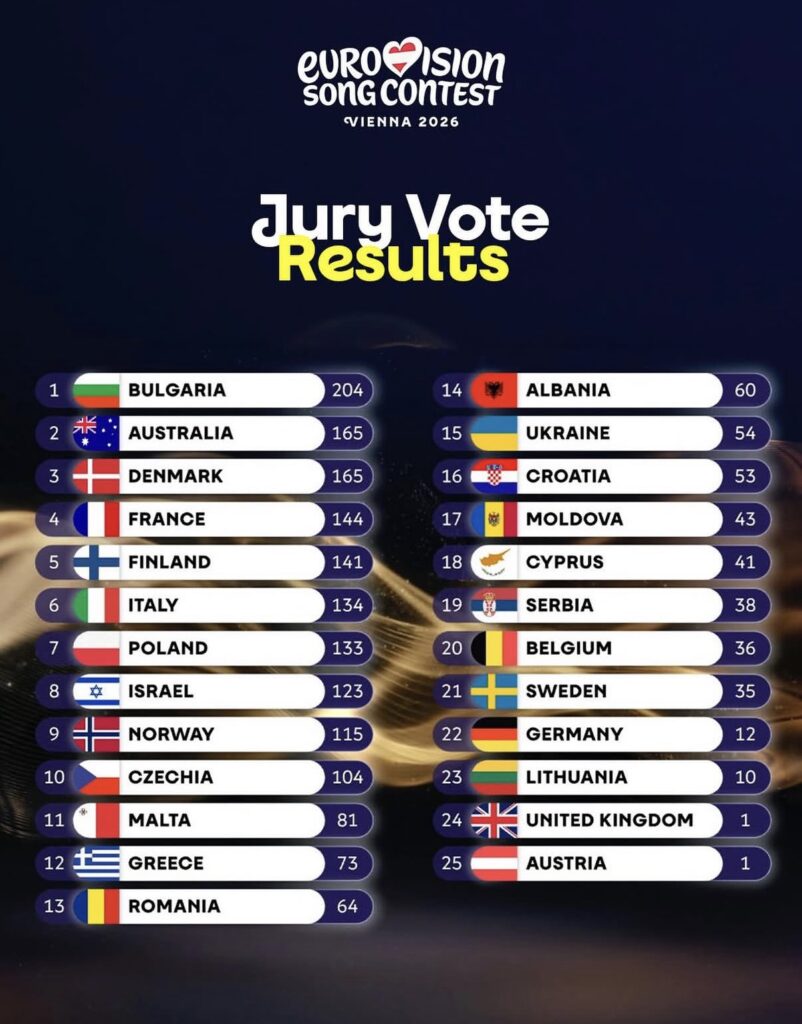
In the Grand Final, Poland performed from running order position 18 and finished 12th overall with 150 points. The result revealed a clear split between the professional juries and the televote: Poland received 133 points from the juries, placing it very high with the expert panels, but only 17 points from the audience. This meant that Poland was close to the top ten in terms of musical and vocal recognition by juries, but lost ground once the public vote was added.
The reaction from the juries was one of the strongest aspects of Poland’s 2026 result. Alicja received the maximum 12 points from four national juries: Germany, Belgium, Austria and Moldova. Polish media described this as a historic achievement for Poland at Eurovision and noted that “Pray” became one of the best-scoring Polish entries with juries in the modern era. The jury response suggested that Alicja’s vocal performance, musical professionalism, staging discipline and overall television package were highly valued by industry professionals.
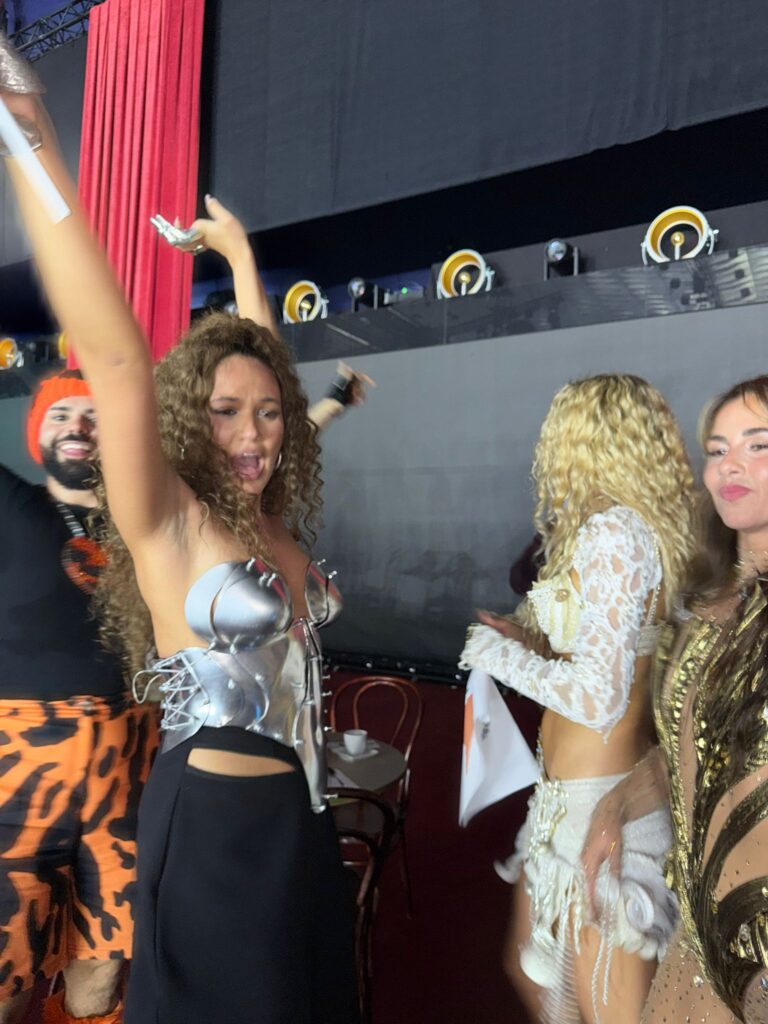
Audience reaction was more complex. In the arena, the performance was met with strong applause, and media reports highlighted Alicja’s powerful vocal delivery, R&B/soul sound, polished styling and detailed choreography. Online, many fans praised her as one of the strongest vocalists of the final and saw the Polish staging as one of the country’s most ambitious recent Eurovision performances. However, the low Grand Final televote showed that the song did not connect with the broader European public as strongly as it did with juries.
Overall, Poland’s 2026 Eurovision performance can be seen as a strong artistic and professional result: a top-two semi-final qualification, a powerful jury score in the final, four sets of 12 points from national juries, and a final placement just outside the top ten. Although the public vote prevented Poland from reaching the top ten overall, “Pray” marked an important step for TVP and the Polish Eurovision delegation: it was a vocally demanding, carefully directed and visually coherent entry that successfully restored Poland’s credibility with professional juries while also becoming one of the most discussed Polish Eurovision performances of recent years.